
Choosing the Right Remodeling Service for Your Home
Most homeowners know what bothers them about their house long before they know what kind of project it is. The kitchen is cramped. The basement goes unused. Every room feels a decade out of step with the others. Choosing the right remodeling service starts with naming the goal, then letting the goal define the scope. Get that order backward and you end up with a beautiful room that doesn't fix the actual problem.
The guide below matches common goals to the kind of project that usually addresses them.
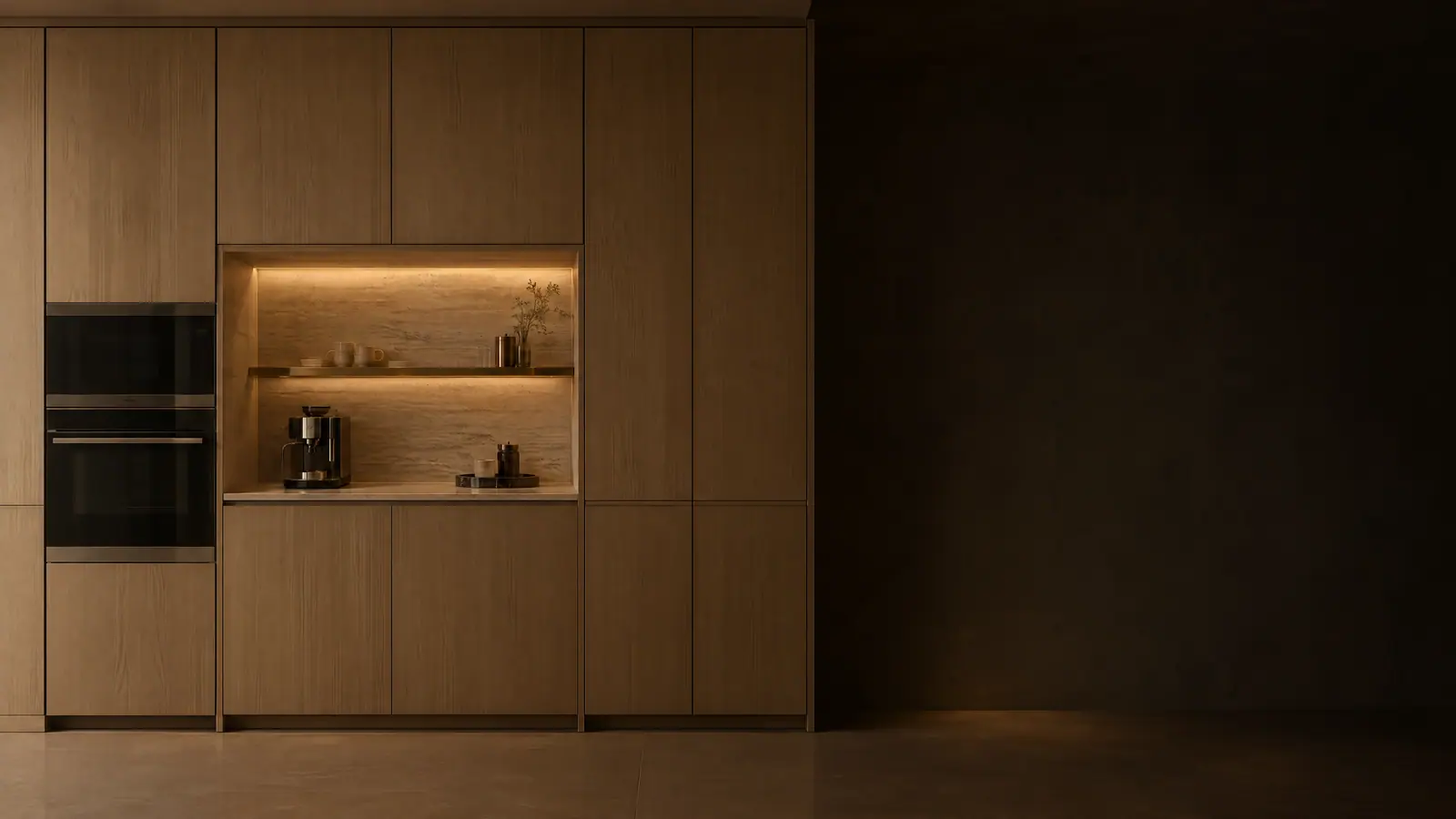
If your goal is a kitchen that works better for cooking, gathering or entertaining,
Then start with kitchen remodeling, where layout, storage and appliance planning come before finishes.
If your goal is a bath that feels calmer, more spacious or easier to use for years to come,
Then look at bathroom remodeling, built from the waterproofing and ventilation outward.
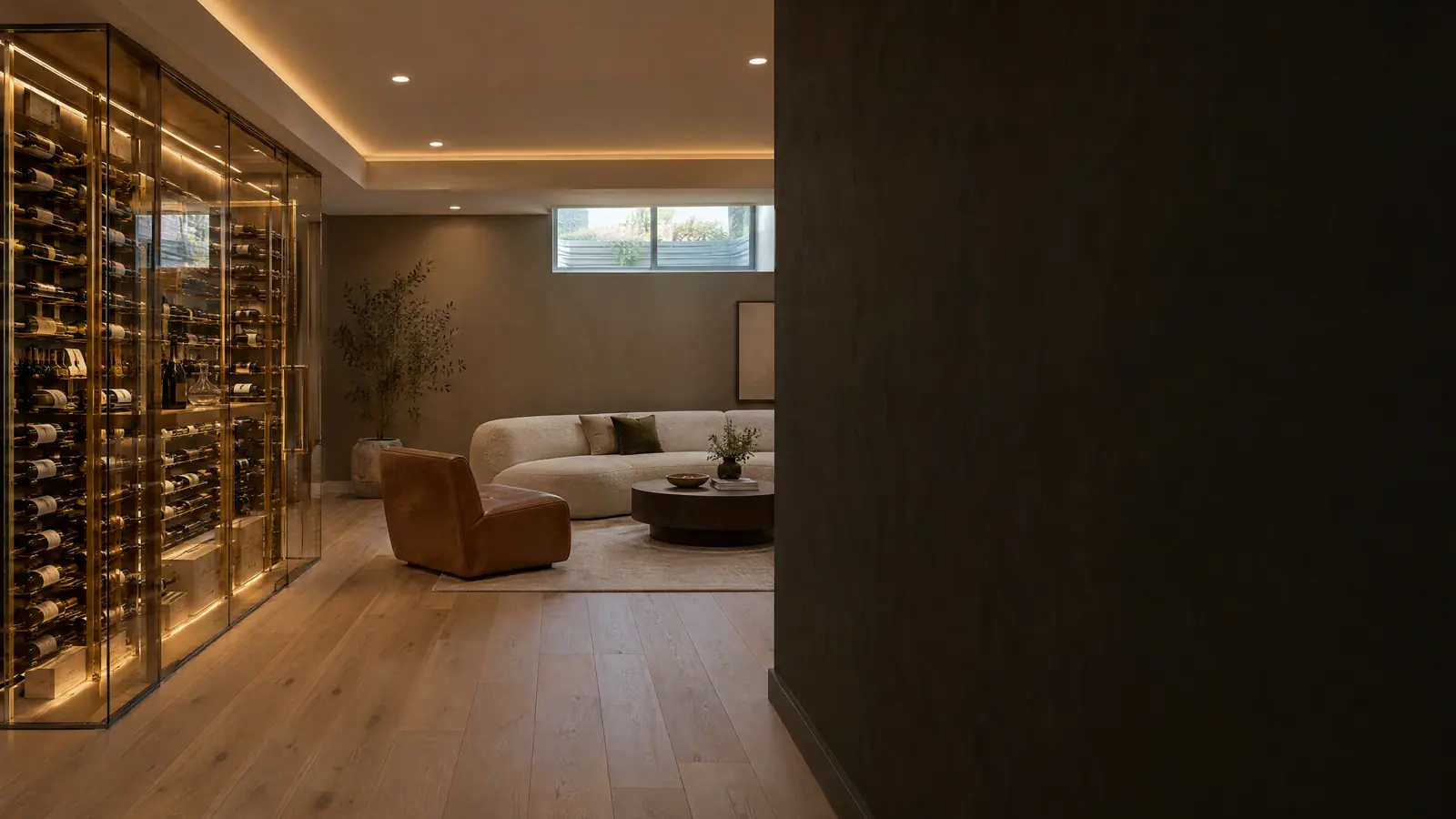
If your goal is more usable living space without building an addition,
Then consider basement finishing, beginning with moisture control and egress planning.
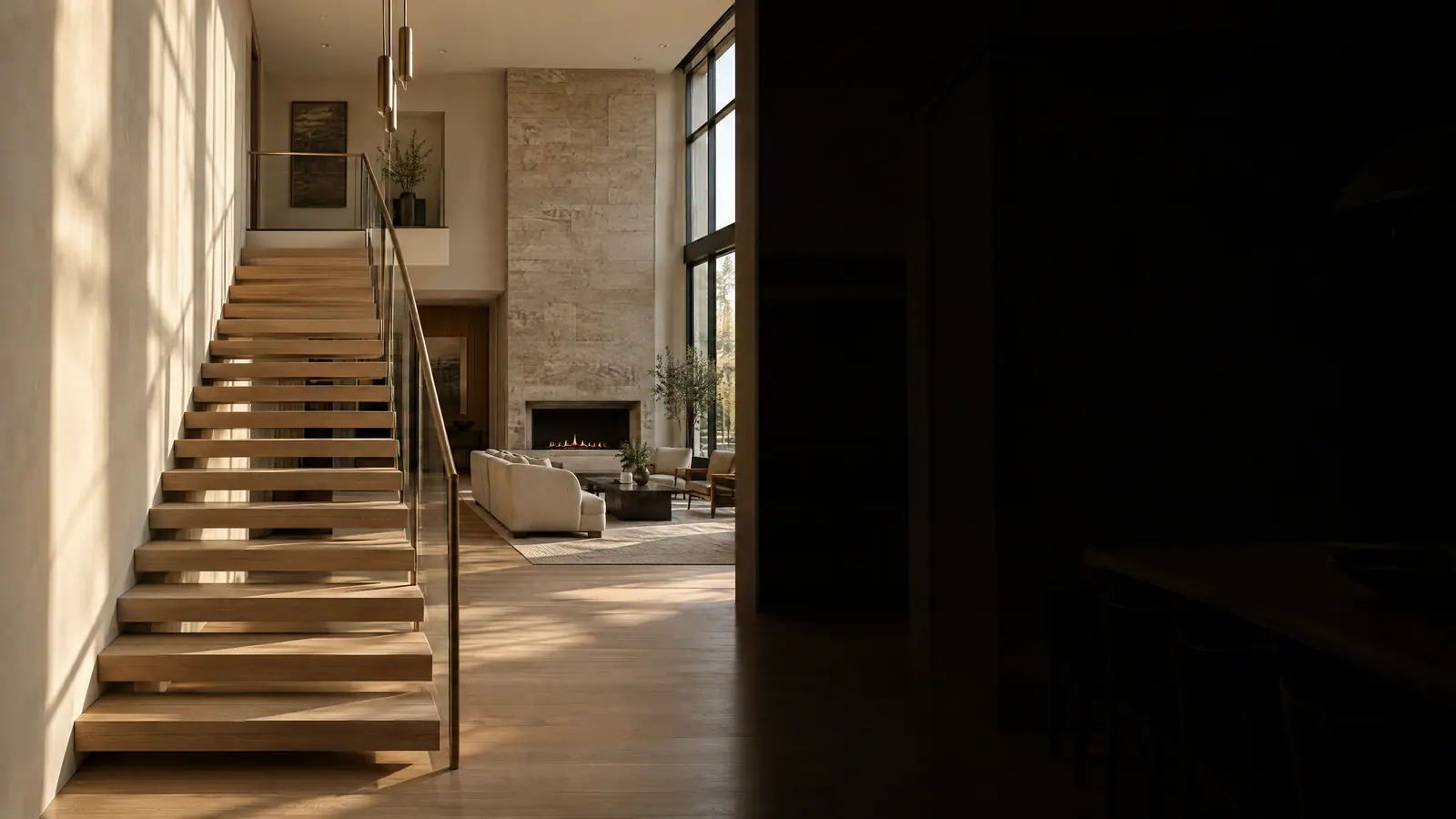
If your goal is to change how the whole house flows, or several rooms and systems need work at once,
Then you're likely looking at a whole-home renovation, so structure, systems and finishes are planned together.
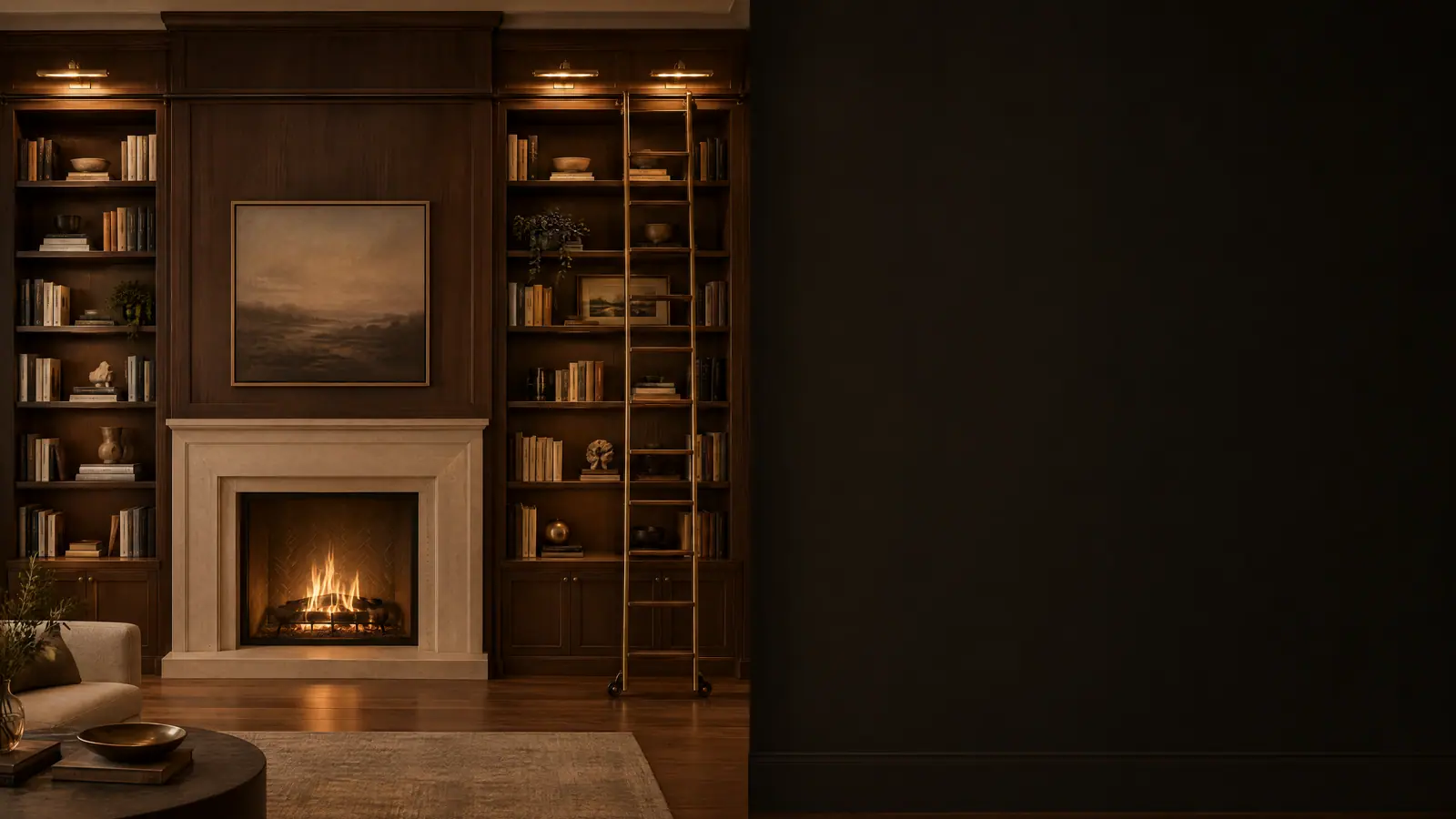
If your goal is character: built-ins, millwork, ceiling details, or a room that finally feels architecturally complete,
Then explore custom interior remodeling, focused on the details that define a space.
How Our Five Remodeling Services Compare
Each service carries its own typical scope and its own sources of complexity. These are general characteristics of residential remodeling, not fixed rules. The condition of a specific house can change the picture quickly.
| Service | Typical scope | What usually drives complexity |
|---|---|---|
| Kitchen Remodeling | Cabinetry, countertops, appliances, lighting and flooring, often with plumbing and electrical changes | Relocating plumbing or gas, ventilation for the range, removing or opening walls, long lead times on cabinetry and appliances |
| Bathroom Remodeling | Shower or tub, vanity, tile, fixtures, ventilation and lighting | Waterproofing wet areas, drain and vent changes, floor structure under heavy stone or tile, tight working space |
| Basement Finishing | Framing, insulation, flooring, ceilings and lighting, sometimes a bath or wet bar | Moisture and drainage, egress for any bedroom, ceiling height around ducts and beams, plumbing below the main sewer line |
| Whole-Home Renovations | Multiple rooms plus structural, mechanical, electrical and plumbing systems | Structural changes, system upgrades, sequencing many trades, whether the household can stay during the work |
| Custom Interior Remodeling | Built-ins, millwork, paneling, ceiling details, stairs and other interior architecture | Walls and floors that are rarely straight or level, wood movement, integrating lighting and concealed hardware |
When a Single-Room Remodel Should Become a Whole-Home Renovation
Sometimes the most honest advice is that a room-by-room plan will cost more over time than doing the work together. These signals suggest it's time to think at the scale of the house:
- The change you want crosses room boundaries, like opening a kitchen to a family room or relocating a stair.
- The electrical service, plumbing or HVAC can't support the new room without upgrades that affect the rest of the house.
- You're planning to remodel two or more major spaces within a few years anyway.
- Finishing one room to a high standard would leave the adjacent floors, trim or doors looking mismatched.
- Structural work, such as removing a bearing wall, is already part of the plan.
Combining that work means opening walls once, setting up and protecting the house once, and giving every room a single design language. Our whole-home renovations page explains how structure, systems and finishes come together in one coordinated plan. The reverse is just as true. If the goal really is one room, a focused project done well is the better choice, and we'll tell you so.
What Stays the Same Across Every Remodeling Service
Scale changes. Standards don't. Every project, whether it's a powder room or the entire house, follows the same five-stage remodeling process, with selections made during design and concealed work treated with the same care as the finishes. That consistency is the point. You shouldn't have to wonder which version of a firm you're getting.
If you're still deciding where your project fits, a conversation is the fastest way to sort it out. Talk with us about your remodeling goals